

Norsk | Gollevárre may receive World Heritage status

Gollevárre may receive World Heritage status

The Fotefar Gollevárre in Tana municipality is now part of the extensive cultural landscape Várjjat Siida, which has been added to Norway's tentative list for UNESCO World Heritage - the first important milestone on the road to possible World Heritage status.
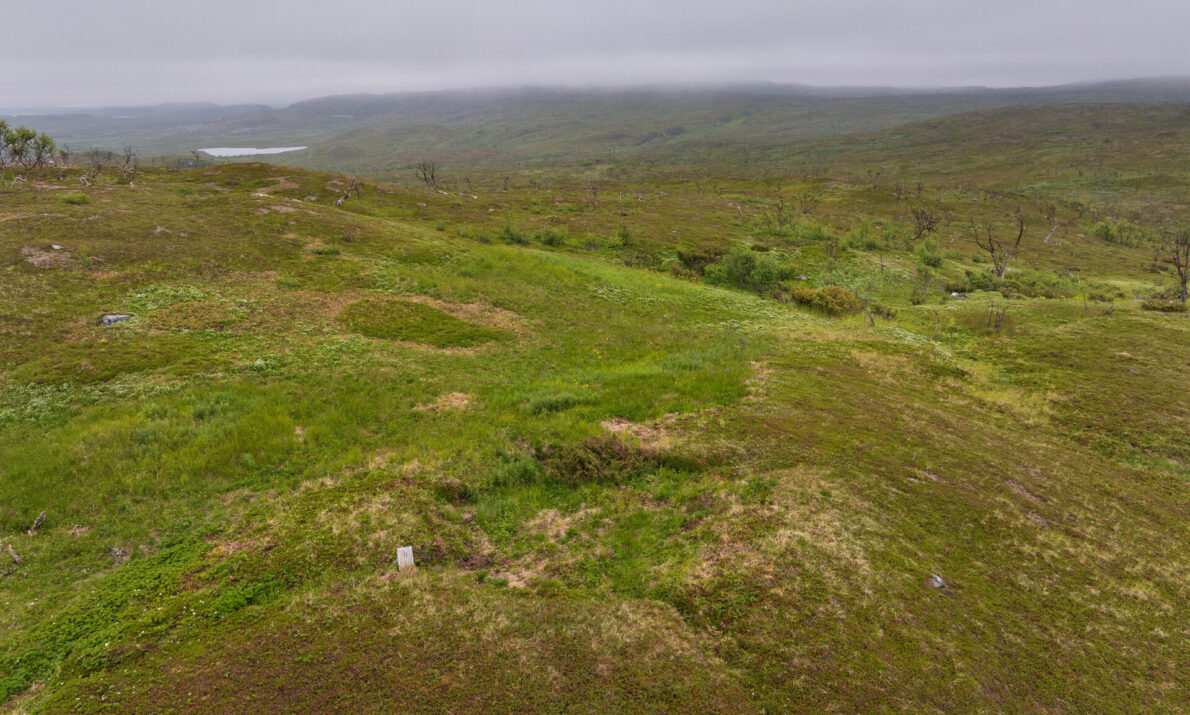
Et grønnkledt landskap med en forhøyning i forgrunnen og spor etter bosetninger. Viddelandskap i bakgrunnen og en himmel med tett skydekke.

Photo: Trond Isaksen, The Norwegian Ministry of Cultural Heritage

Photo: Trond Isaksen, Riksantikvaren

The Gollevárre cultural heritage site is unique in the Nordic and international context. It contains the largest known hunting pit area in the Arctic, with nearly 2,000 pits used for wild reindeer hunting and traces of settlements from the Middle Ages (c. 1200–1650 AD). The hunting systems and cultural monuments tell an important story about human interaction with nature and resources throughout history. Being on the tentative World Heritage List means that the site is being considered for nomination to UNESCO's prestigious World Heritage List – a status that is only given to places of outstanding universal value to all humanity. The listing is the first formal step in a long process that could lead to Gollevárre, together with the other parts of Várjjat Siida, being recognized as a World Heritage Site. This recognition gives increased visibility to both the cultural history and the Arctic hunting tradition in Tana, and shows how important this Fotefar is in our common history.