

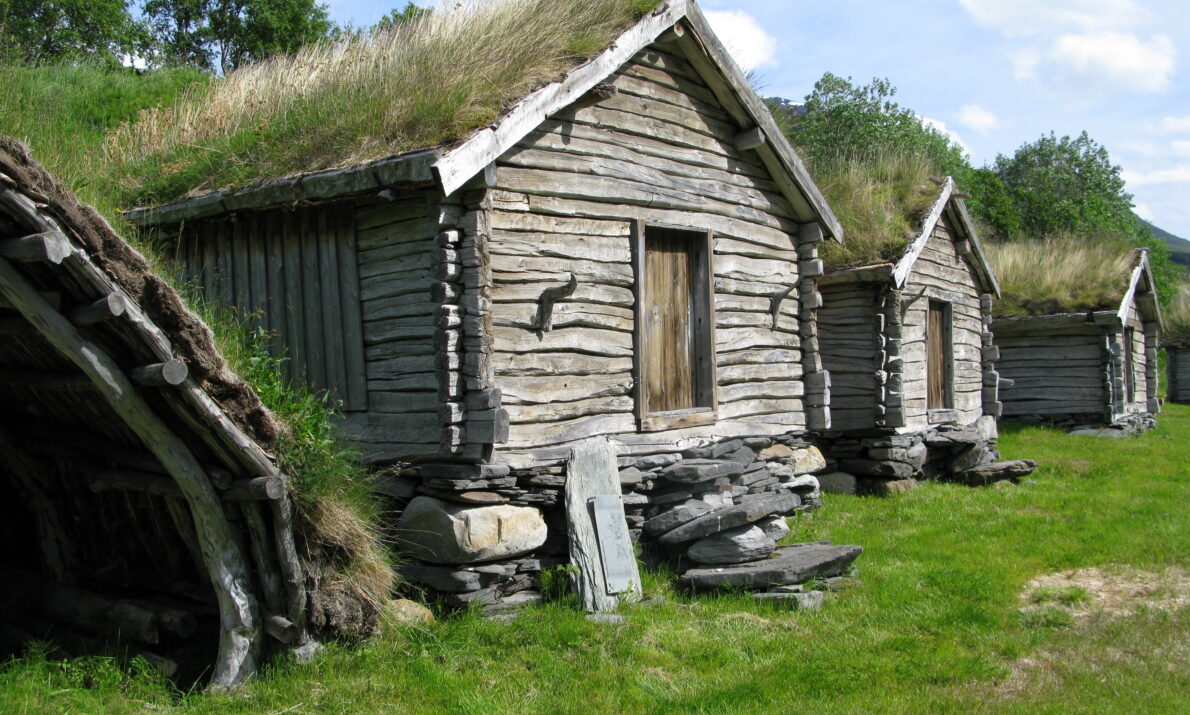
Photo: Marit Chruickshank, Troms fylkeskommune
Many hamlets and small communities along the coast of North Troms and Finnmark have populations with a significant Sea Sámi presence. After the Germans burned down almost every house in this region in 1944, little remains today to show how Sea Sámi houses and farms once shaped the landscape.
The traditional Sea Sámi way of life has all but vanished, yet important traces remain—telling the story of a lifestyle defined by a close relationship with the sea and the surrounding nature. In Kåfjord and Birtavarre, fishing and farming formed the foundation of life, and the landscape still bears the marks of this combination.
Practical info
Practical info
Opening hours
Fjærbuene: Outdoor area, open 24 hours a day
Holmenes Farm: Open during the summer season. Thursday – Sunday, 11:00 AM – 5:00 PM
Restrooms
In the museum’s service building at Holmenes Farm
Parking
Parking for Fjærbuene is located near the underpass beneath the E6 highway
Separate parking area at Holmenes Farm
How to get here
Bus: Take the bus lines that stop in Birtavarre
Car: You will find Fjærbuene right by the E6, north of Birtavarre in the direction of Olderdalen
Holmenes Farm is located 3.6 km southeast of Fjærbuene
Refreshments and shop
Café and museum shop in the service building at Holmenes Farm
Hiking opportunities
See the hike description from the Nord-Troms Friluftsråd for the trip to Fjærbuene
Several hiking trails at Holmenes Farm with nice picnic spots along the river
Accessibility
Accessibility
The walk to the boathouses is unsuitable for wheelchairs and strollers.
Old boathouses and shore sheds
Down by the shore stand the "fjærebuer"—small sheds used by fishermen to store fishing gear and equipment. These sheds were an integral part of daily life, and many were built using simple materials such as alder wood and turf. Today, some remain standing as cultural heritage sites from an era when the sea was the lifeblood of the community. Nestled among the sheds are "båtgammer"—traditional boat shelters partially dug into the ground. These structures are a distinctive feature of Northern Norwegian coastal culture.
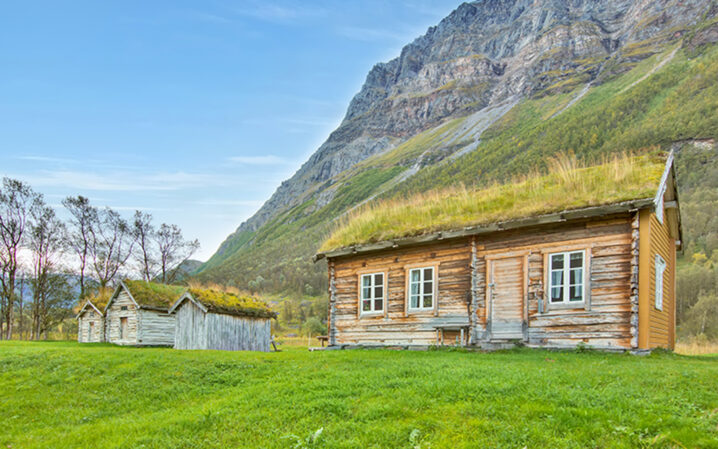
Holmenes farm – a living cultural monument
Holmenes Farm is a fine example of a Sea Sámi farm in Troms. Dating back to around 1850, the farm was inhabited until 1964; at its peak, 14 people lived there. The farm comprises several buildings serving different functions—a farmhouse, woodshed, storehouses, and a turf-walled barn—illustrating how people combined fishing and farming. Operations relied on a livelihood adapted to the outlying pastures, cultivated land, and the sea. The forest provided the necessary timber for fuel and building materials for the farmyard structures. The farm offers insight into a way of life where resources from the sea, forest, and mountains were utilized sustainably. Here, visitors can experience how the cultural landscape was shaped over generations.
The history in the landscape
Following the devastation of the war in 1944–45, many houses and farms were rebuilt, leaving a distinct mark on the area. Nevertheless, traces of earlier times remain, such as shoreline huts from the 1930s and old paths connecting the fjord and the mountains. The area is rich in cultural history and offers a vivid picture of the Sea Sámi people's adaptation to the natural environment.
Experiences for visitors
Today, the area is primarily used for recreational purposes, but it is a fascinating destination for anyone interested in coastal culture. Here, you can stroll along the shoreline, view historic buildings and traditional boat sheds, and gain insight into a lifestyle lived in harmony with nature. A visit offers a unique opportunity to understand a way of life that has left a lasting mark on Northern Norwegian history.
Lined up along the shore—just off the E6 highway north of Birtavarre, heading towards Olderdalen—you will find the "fjærabuer". Eight of them date back to the 19th century.
To reach Holmenes Farm, drive into Birtavarre and turn off towards Holmen. The museum’s service building houses a small shop, a café, and restrooms. Several hiking trails start right by the museum, featuring pleasant picnic spots along the river.
